Nigeria’s Super Eagles have officially unveiled their 28-man squad for AFCON 2025, and as expected, the announcement has sparked equal parts excitement, debate, and side-eye across the football timeline.
On paper, the squad still looks competitive. In reality, though, the absence of several high-profile or performing names introduces tactical questions that could define Nigeria’s tournament run, for better or worse.
Let’s start with the omissions that stand out the most.
Tolu Arokodare’s exclusion is one that quietly hurts. The striker has been riding a confidence wave at club level, capped by that headline-grabbing goal against Arsenal. Players like that bring goals, in addition to belief, physical presence, and a different attacking profile. Without him, Nigeria’s forward options rely heavily on Victor Osimhen and Ademola Lookman. That’s elite quality, no doubt, but squad depth matters in AFCON, a tournament notorious for tight schedules, heavy pitches, and unforgiving defences.

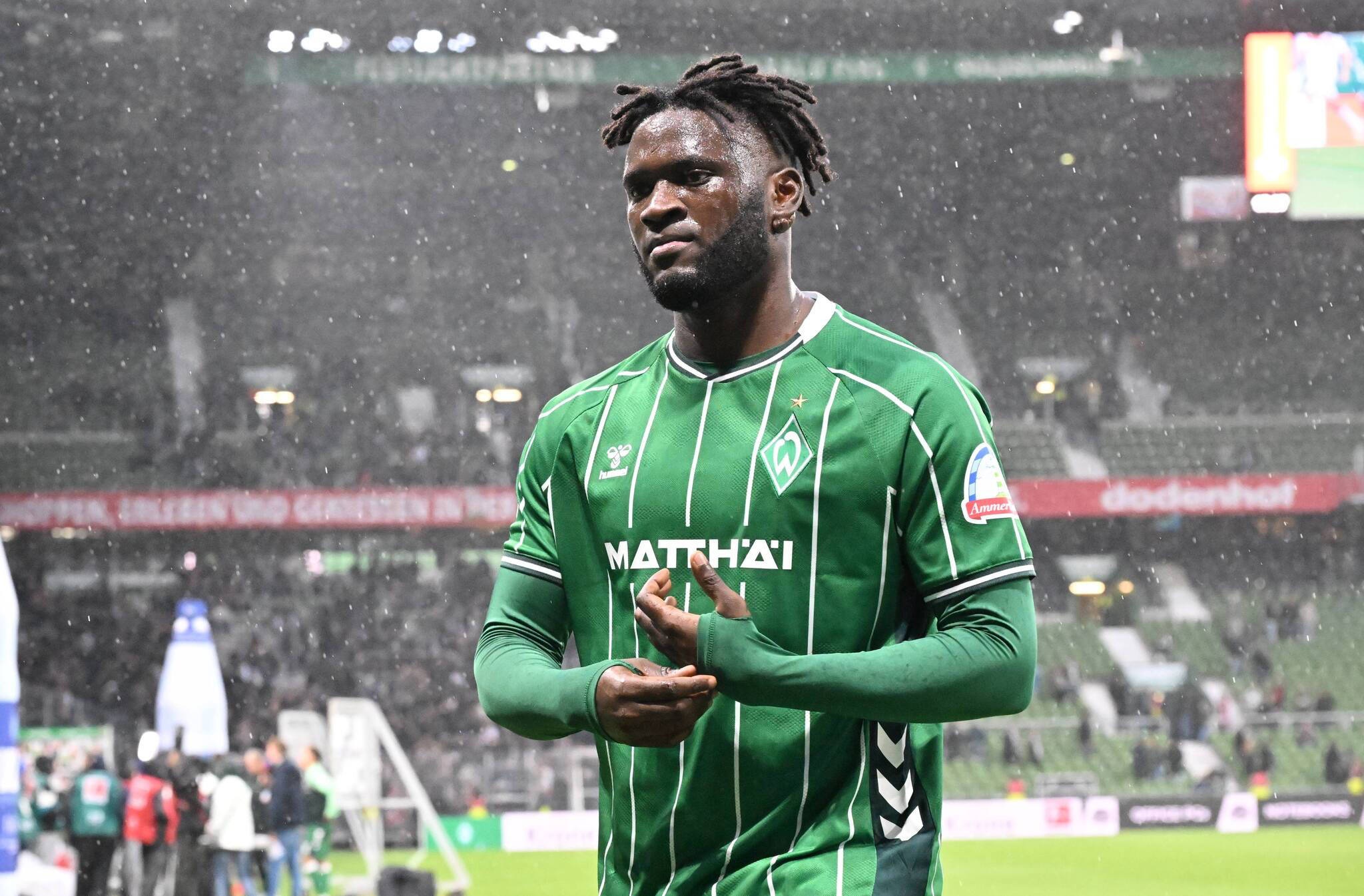
Then there’s Victor Boniface, whose absence removes a tactical alternative many coaches would kill for. Boniface offers more than finishing. His hold-up play, movement between lines, and ability to involve midfield runners could have given the Super Eagles a Plan B when games get scrappy. Without him, Nigeria’s attack becomes slightly more predictable, especially against low blocks.
Kelechi Iheanacho’s omission feels less about form and more about transition. He is one of the squad’s most experienced forwards, a player who understands tournament football and pressure moments. While he may not be the flashiest option right now, experience often matters deep into competitions when legs are tired and margins are thin.
Defensively, the loss of Ola Aina through injury is significant. Aina’s versatility — capable of playing both flanks — gives balance and tactical flexibility. His absence forces the coaching staff to commit to more specialized full-back options, which could limit in-game adjustments, especially against teams with dangerous wingers.
In goal, Maduka Okoye’s absence has raised eyebrows. While Stanley Nwabali has grown into a trusted option, Okoye’s recent performances suggested he was ready to compete seriously for the starting role. Removing that competition slightly reduces internal pressure, which can sometimes affect sharpness in high-stakes tournaments.

So yes, the missing names matter. But AFCON history has taught us something important: this tournament is rarely won by reputation alone.
This is where the debutants and fresh faces enter the conversation, and why they could quietly become the story of Nigeria’s campaign.
Coach Eric Chelle’s selection signals a willingness to inject new energy into the squad. Players like Ryan Alebiosu bring modern full-back qualities: pace, athleticism, and comfort in transition. In a tournament where quick switches and counterattacks often decide matches, that profile is valuable.
Midfield newcomers such as Ebenezer Akinsanmiro and Tochukwu Nnadi offer legs, intensity, and tactical discipline, attributes Nigeria has occasionally lacked when games become stretched. AFCON is rarely about dominating possession; it’s about winning duels, controlling space, and managing moments. Fresh midfielders with something to prove often thrive in that environment.

Beyond tactics, debutants also bring psychological edge. They play without baggage. No past AFCON heartbreaks, no external expectations, just pure, raw hunger. That hunger can tilt close matches, especially in knockout rounds where mental sharpness separates contenders from champions.
The bigger picture here is balance. This Super Eagles squad may lack some headline names, but it compensates with a blend of elite stars, functional depth, and emerging talent. The pressure now shifts to coaching clarity.
In short, Nigeria may not have selected its most popular squad, but it might have chosen one of its most adaptable. And at AFCON, adaptability often wins trophies.
Your opinion matters, please leave a comment