Gen-Z, just chill first… 😜
If you grew up in a living room that doubled as a cinema, parliament, and courtroom, where everyone argued about what to watch but somehow still watched together, this list will hit home.
Before streaming algorithms, autoplay, and second screens, these television shows raised us. These shows shaped our humour, our morals, our tolerance for drama and in some cases, our wildly unrealistic expectations of adulthood.
Here are some of the shows that made childhood (and early adolescence) wildly entertaining for Nigerian millennials and Gen-Xers:
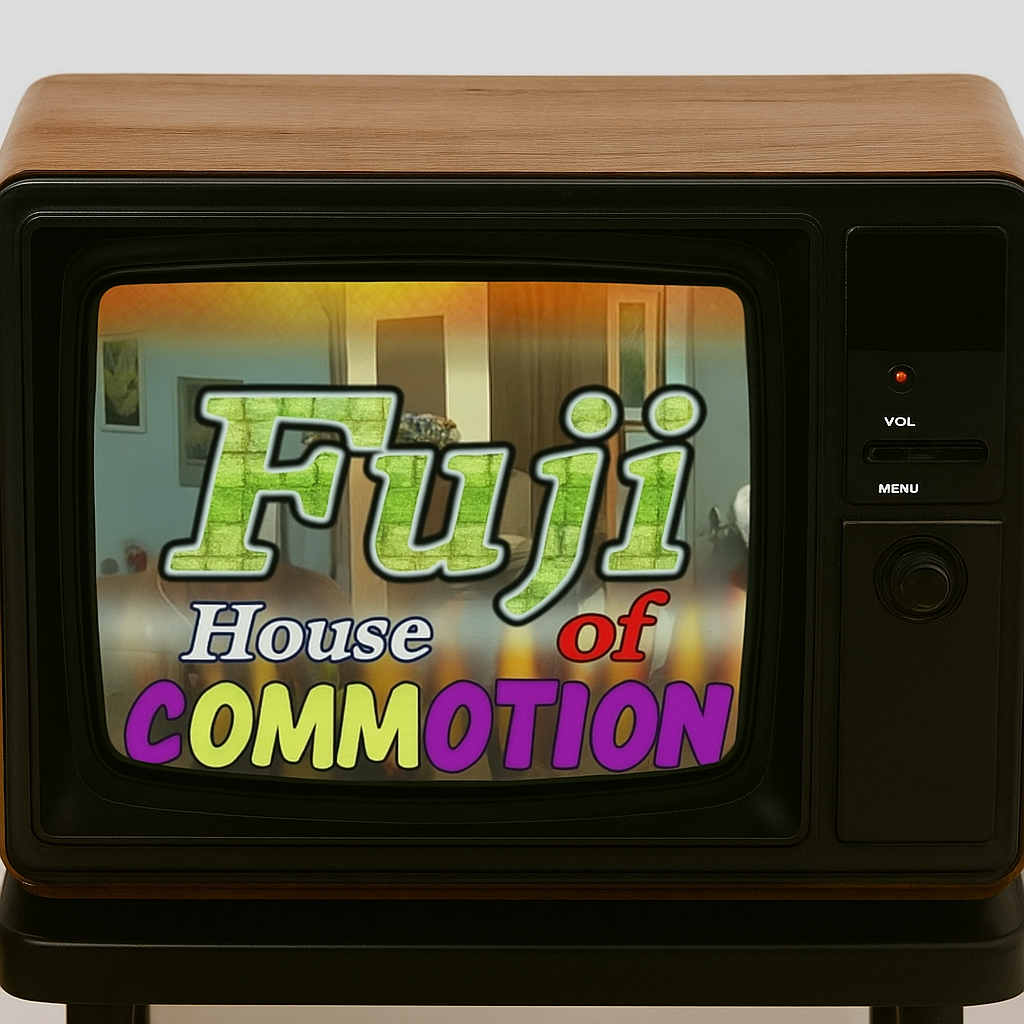
Fuji House of Commotion
Amaka Igwe understood chaos before chaos became a genre. The Fuji family was loud, layered, and deeply Nigerian, proving that dysfunction could still be loving and very funny. Chief Fuji’s household felt like every extended family visit rolled into one.
Papa Ajasco & Company
Slapstick, oversized caps, exaggerated reactions, and jokes that landed even when they shouldn’t have. Papa Ajasco was unserious television that knew exactly what it was doing. Comedy that didn’t ask for analysis; just laughter and maybe some side-eyes.
Tales by Moonlight
Before bedtime stories became YouTube animations, there was Mama sitting under a moonlit sky, teaching life lessons through folklore. Equal parts entertainment and moral instruction which stuck with us long after the TV went off, and yes, it made us all slightly afraid of the dark.
Binta and Friends
Bright, educational, and intentionally gentle, Binta and Friends spoke directly to children without talking down to them. It was television that felt safe, structured, and purposeful.

Behind the Clouds
This show carried emotional weight in a way that felt mature, even when we didn’t fully understand it. Exploring loss, resilience, and complicated relationships, it’s one of those shows you appreciate more as you grow older. Quietly powerful television.
New Dawn with Funmi Iyanda
More than a TV show, this was a public service. Funmi Iyanda turned difficult conversations about adolescence, health, and identity into must-watch television. Informative without being boring and serious without being preachy.
Dear Mother
If emotional manipulation were a sport, Dear Mother would have medals. The show thrived on heartbreak, sacrifice, and dramatic irony, reminding us that family love often comes with pain. Impossible to watch without feeling something.
This Life
Ambition, betrayal, friendship, and Lagos “adulting” before it became a social media aesthetic. This Life captured the hunger and messiness of young professionals chasing success. Real, aspirational, and slightly dangerous.

New Masquerade
Long-running and deeply iconic, New Masquerade perfected Nigerian situational comedy. Its characters became cultural shorthand, referenced long after episodes aired. Proof that consistency builds legend.
The Village Headmaster
Television with gravitas. Blending tradition, politics, and community storytelling, it felt distinctly Nigerian. Watching it was like sitting in a town hall where wisdom and drama coexisted.
Things Fall Apart
Chinua Achebe’s world came alive on screen, bringing literature into living rooms nationwide. Serious, layered, and culturally grounding; a reminder that Nigerian stories deserved epic treatment.
Basi & Company
Street-smart, money-obsessed, and endlessly scheming, Basi was the original hustle-culture anti-hero. Satirical, funny, and quietly cautionary, the show leaned into exposing greed and shortcuts with humour.
Gulder Ultimate Search
Reality TV before reality TV became overproduced. Raw, adventurous, and rooted in African mythology, GUS felt epic and unpredictable. Everyone had opinions on strength, strategy, and survival.
MTN Project Fame West Africa
This show democratized stardom. Watching ordinary people evolve into polished performers made fame feel attainable. Talent, tears, training, and triumph all wrapped into appointment television.
How many stars did you first see on that stage?
Maltina Dance All
Joy, rhythm, and family competition at its purest. It celebrated togetherness without turning it toxic, making dance a universal language. Wholesome entertainment that actually delivered.
After the Storm
Heavy themes, intense performances, and storylines that didn’t shy away from consequences. After the Storm asked hard questions about morality and redemption. Drama that demanded attention.
Domino
Slick, stylish, and layered, Domino played with intrigue and power dynamics. Ambitious for its time, it pushed Nigerian TV toward more complex storytelling. A quiet standout.
Everyday People
Exactly what the title promised – stories about regular lives with extraordinary emotional depth. Love, struggle, and societal pressure explored without glamorising hardship. Relatable TV at its best.
Checkmate
The gold standard for Nigerian television drama. Power, romance, betrayal, and iconic characters. Checkmate wasn’t just a show — it was a weekly event.
These shows didn’t just entertain us. They shaped our references, our humour, and our sense of storytelling. Long before hashtags and trending clips, they gave us shared moments – moments that still connect generations. And honestly? Nigerian television might be due for another run like this.
Your opinion matters, please leave a comment