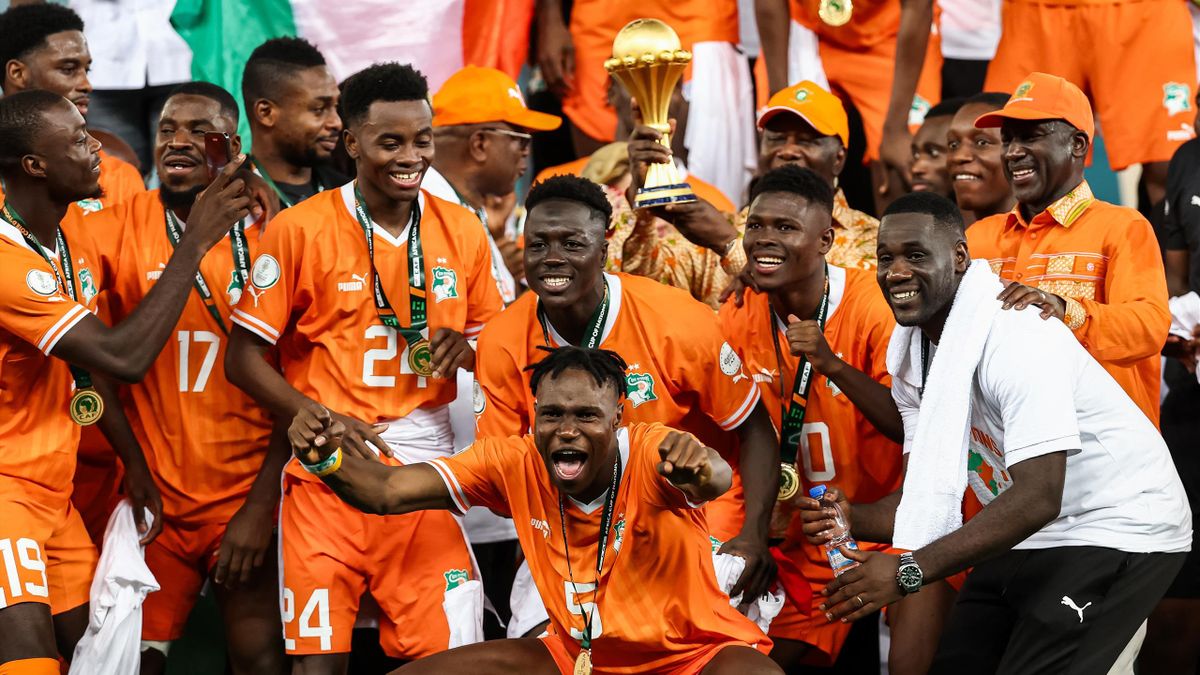
When the African Cup of Nations (AFCON) kicks off on 21 December 2025, it will be far more than just a football tournament. It will be a month of identity, politics, pride, memory, and at times, even national healing. This is where reputations are forged, legacies are rewritten, and myths either confirmed or brutally dismantled. For four weeks, Africa’s finest footballing nations will clash for silverware, supremacy and bragging rights.
This year’s edition, hosted by Morocco, feels especially loaded.
The continent is in transition: old giants trying to reclaim lost dominance, rising forces demanding their moment, and a new generation of players raised in elite European systems but deeply tied to African expectations. There are no easy games. There are no guaranteed favorites. AFCON never respects form, charts or FIFA rankings and that chaos is its greatest currency.
Among the field, ten nations stand above the rest as true contenders and with no disrespect to the other teams, we will focus on these titans: Mali, Morocco, Egypt, South Africa, Nigeria, Tunisia, Senegal, Algeria, Cameroon, and Côte d’Ivoire. Each arrives with history. Each arrives with strengths that can win tournaments and weaknesses that could end campaigns overnight.
🇲🇦 MOROCCO: Home Advantage Meets Unfinished Business

Morocco are the most obvious starting point, not just because they are hosts, but because they have quietly built one of the most structurally sound football systems on the continent. Despite only winning AFCON once, back in 1976, Morocco have spent the last decade preparing for moments like this.
Their recent World Cup heroics announced them to the global stage, but AFCON has always been a different beast. Playing at home comes with advantages: familiarity with climate, travel logistics, and fan energy that can turn stadiums into fortresses. But it also comes with suffocating pressure. Moroccan fans are not dreaming of semifinals anymore, they are demanding the trophy.
This team is tactically mature, defensively disciplined, and blessed with elite fullbacks and midfield control. However, Morocco’s biggest challenge may be psychological. History has shown that hosts often crumble under expectation. For Morocco, the question is whether they can turn preparation into execution when the weight of a nation is on their shoulders?
🇪🇬 EGYPT: Kings of AFCON, Prisoners of Their Own Legacy

No country defines AFCON history quite like Egypt. Seven titles. Multiple dynasties. Entire eras shaped by their dominance. Yet, the irony is painful — Egypt haven’t lifted the trophy since 2010. For a nation so steeped in continental supremacy, that drought feels unnatural.
Egypt arrive with experience, structure, and the ever-present figure of Mohamed Salah. But Salah’s brilliance has become both a weapon and a limitation. When Egypt succeed, it often feels like it’s because Salah carried them. When they fail, it feels like the team had no alternative plan.
Their greatest strength lies in tournament management. Egypt understand how to grind results, manage game states, and survive ugly matches. Their weakness is creativity beyond their talisman. AFCON rewards teams that can improvise when systems collapse and Egypt must prove they are more than a one-man empire.
🇳🇬 NIGERIA: Talent Is Not the Question — Discipline Is

Nigeria’s relationship with AFCON is emotional, chaotic, and deeply complicated. Three titles. Multiple finals. Endless near-misses. And a reputation for producing some of the most naturally gifted players the continent has ever seen.
On paper, Nigeria’s squad is frightening. Victor Osimhen is one of the most lethal strikers in world football. Around him is a supporting cast filled with pace, power, and technical quality. Few teams can match Nigeria man-for-man in attack.
But AFCON history is ruthless to Nigeria. Time and again, talent has failed to translate into cohesion. Defensive lapses, tactical confusion, and emotional volatility have undone golden generations. This year feels different, but Nigerian fans have said that before.
If Nigeria are to go all the way, it won’t be because of flair alone. It will require discipline, defensive structure, and emotional maturity. The Super Eagles don’t need miracles; they need control.
🇸🇳 SENEGAL: Power, Balance, and the Calm of Champions

Senegal’s transformation over the last decade has been remarkable. Once known as talented underachievers, they have become a model of consistency and physical authority. Their 2021 triumph was the result of long-term planning and tactical clarity.
This Senegalese side is balanced across all departments. They are physically dominant, defensively secure, and mentally resilient. They rarely panic. They rarely beat themselves. In tournament football, those traits matter more than aesthetics.
Their only concern is tempo. Against highly technical, fast-transition teams, Senegal can occasionally look rigid. But if Senegal find rhythm early, they are one of the hardest teams to eliminate.
🇩🇿ALGERIA: Tactical Intelligence Searching for Spark

Algeria’s 2019 AFCON victory showcased a team at the peak of tactical synchronization. Since then, the drop-off has been noticeable. The structure remains, but the cutting edge has dulled.
Algeria are still one of the smartest teams in the competition. Their midfield control and positional discipline can suffocate opponents. However, they lack a consistent game-breaker, someone who can dismantle low blocks or conjure goals under pressure.
AFCON often punishes predictability. Algeria must rediscover their attacking spontaneity or risk being neutralized by teams willing to sit deep and counter.
🇨🇮 CÔTE D’IVOIRE: Defending Champions Without Their Safety Net

Côte d’Ivoire arrive as defending champions, but this campaign feels different. Injuries and transitions have stripped the squad of some leadership and attacking certainty. The absence of key figures means they cannot rely on individual brilliance to rescue poor performances.
Still, winning breeds confidence. Ivory Coast understand what it takes to survive AFCON’s brutality. Their midfield remains solid, and their defensive structure is experienced. But defending a title is often harder than winning one, especially when momentum is fractured.
🇨🇲CAMEROON: The Chaos Factor

Cameroon are AFCON royalty. Five titles. Endless iconic moments. And an uncanny ability to show up when nobody expects them to. Cameroon rarely arrive as favorites, they arrive as disruptors.
Physically imposing and emotionally charged, Cameroon thrive in chaos. But chaos cuts both ways. Slow starts, internal instability, and inconsistent tactics have haunted recent campaigns.
If Cameroon stabilize early, they can ride momentum deep into the tournament. If not, their campaign could collapse just as quickly.
🇹🇳 TUNISIA: Structure Over Stardom

Tunisia are not flashy, but they are reliable. Their 2004 triumph remains their only title, yet they consistently reach knockout stages. Their strength lies in organization, defensive discipline, and tactical obedience.
Their weakness is ambition. Tunisia often struggle to dominate games or shift gears when chasing results. Against elite attacking sides, their conservative approach can be punished.
🇿🇦 SOUTH AFRICA: Order Searching for Fire

South Africa’s 1996 triumph feels distant now, but recent performances suggest quiet rebuilding. They play structured football, value possession, and avoid chaos. However, AFCON rewards teams who can strike suddenly and South Africa lack consistent goal threats.
They may not win the tournament, but they are capable of eliminating someone who thought they were safe.
🇲🇱 MALI: Talent Without Closure

Mali remain AFCON’s great “what-if.” Consistently talented. Consistently dangerous. And consistently unfinished. Their squads often brim with creativity, yet tournament discipline escapes them.
If Mali ever align flair with structure, they could rewrite their history. Until then, they remain thrilling outsiders — capable of magic, vulnerable to collapse.
🇬🇭 GHANA: LOL. Let’s be serious, this is no jollof war 🙃
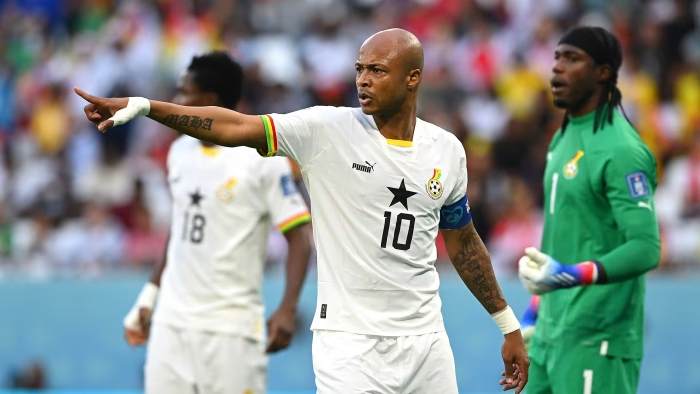
👀👀👀👀👀👀👀
In summary, this AFCON feels unusually open. There is no dominant superpower. No inevitable champion. Instead, there are layers of contenders, each flawed, each capable.
For Nigeria, the opportunity is real. For Morocco, the moment is now. For Egypt and Cameroon, legacy is calling. For Senegal, confirmation awaits.
AFCON does not crown the best team, it crowns the most resilient one. The one that survives heat, pressure, bad refereeing, hostile crowds, and emotional exhaustion.
And that is why, once again, Africa will stop everything to watch this tournament.
Because AFCON is not just football. It is Africa, unscripted.
Your opinion matters, please leave a comment