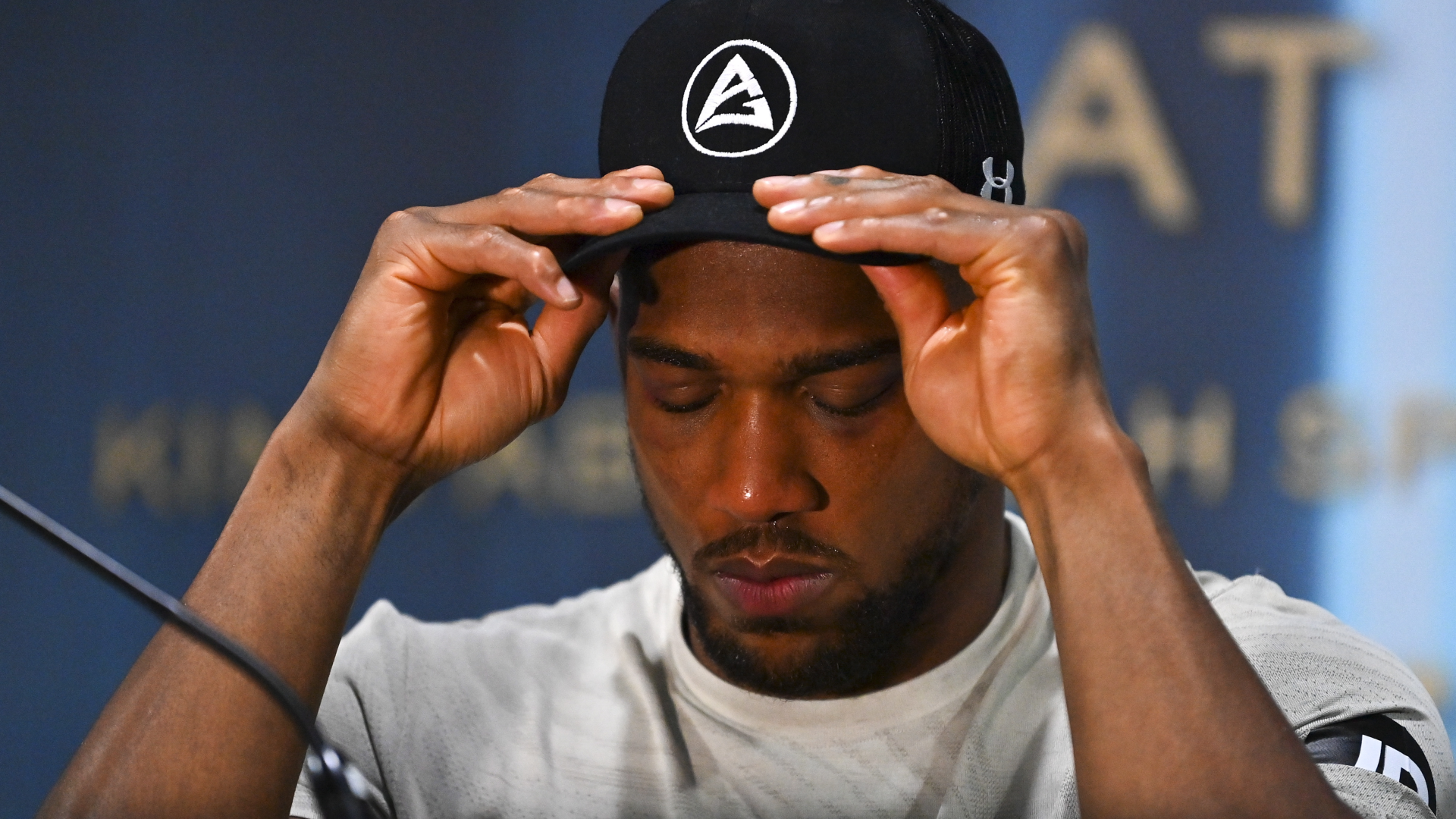
In the final stretch of 2025, a tragedy involved one of Nigeria’s most global names. It forced the country to confront, once again, a problem we have normalized for far too long. World heavyweight boxing star Anthony Joshua survived a horrific road accident in Ogun State. Unfortunately, two of his close associates did not survive.
The crash occurred along the ever-dangerous Lagos–Ibadan Expressway. It claimed the lives of two of his friends and team members. A routine road journey instantly turned into an international moment of grief and reflection.
The headlines focused on Joshua’s survival. They also highlighted the condolences from the global community. The shock was clear that such a high-profile figure is caught in Nigeria’s daily transport nightmare. But the bigger story lies beyond celebrity.
Strip away the name recognition, and what remains is a familiar Nigerian tragedy. It involves a high-speed highway and a stationary truck. There is a delayed emergency response and a system that fails long before the crash happens.
Let’s take this as a case study.
A Stationary Truck on a Highway Meant for Speed
According to preliminary reports, the vehicle conveying Anthony Joshua and his team collided with a parked truck along the expressway. That detail alone should disturb anyone who has ever driven that route. Why is a truck stationary on one of the busiest highways in the country? Why is it parked in a position dangerous enough to cause a fatal collision?
These questions are not new. Nigerian highways, especially the Lagos–Ibadan Expressway, are notorious for broken-down trailers. Articulated trucks are often parked without warning signs. Heavy vehicles rest on shoulders that barely exist.
In countries where road safety is taken seriously, highways are designed with dedicated lay-bys, emergency shoulders, and enforced truck parks. In Nigeria, trucks stop wherever survival allows.
The result is predictable.
Drivers are already navigating potholes, poor lighting, and uneven road surfaces. They are suddenly confronted with immobile steel monsters in the dark or around bends. One misjudged overtaking try, one moment of reduced visibility, and lives are lost. The tragedy involving Joshua’s friends is one of the few that gained national attention. This occurred because of who was inside the car.
Human Error or Systemic Neglect?
Authorities have pointed to speed and wrongful overtaking as contributing factors to the crash. And yes, human error matters. But focusing only on driver behaviour is an easy way out. Speed does not exist in a vacuum. Overtaking becomes dangerous when roads are narrow, signage is poor, and obstacles are unregulated.
Nigeria’s road culture actively encourages risky behaviour.
Drivers overtake because they fear potholes ahead. They speed because traffic bottlenecks can turn a three-hour journey into eight. They take chances because the road itself offers no margin for safety. Blaming individuals without addressing infrastructure is like treating symptoms while ignoring the disease.
Where Was the Emergency Response?
The most unsettling part of the Joshua crash was not the impact itself, but what followed. Eyewitness accounts and social media footage painted a grimly familiar picture. Stunned bystanders stood there with phones out. There was confusion everywhere and no immediate emergency response.
No rapid ambulance arrival. No trained paramedics stabilizing victims on site. No coordinated traffic control to secure the area. In many Nigerian road accidents, survival depends less on the severity of injuries and more on how quickly help arrives.
Too often, help arrives late or not at all.
This failure is not limited to road accidents.
It reflects a broader emergency response crisis in Nigeria. This crisis was exposed again by the recent Balogun Market fire in Lagos.
From Highways to Markets: A Pattern of Emergency Failure
Balogun Market, one of Lagos’ most important commercial hubs, was engulfed in flames. Traders did what Nigerians have learned to do. They relied on themselves. Videos showed desperate attempts to salvage goods while the fire spread faster than help arrived. Complaints followed about poorly equipped fire trucks, delayed response times, and inadequate water supply.
The parallels are uncomfortable. On the road, accident victims wait for ambulances that never come. In markets, traders watch their livelihoods burn while fire services struggle to respond effectively.
Different settings, same problem: a weak emergency infrastructure.
Emergency services are meant to be the last line of defense when prevention fails. In Nigeria, that line is thin, underfunded, and often overwhelmed. Whether it is a highway crash in Ogun or a market fire in Lagos Island, the outcome feels predetermined.
The Cost of Normalized Tragedy
Nigeria records thousands of road deaths annually, yet each one quickly fades into statistics. Markets burn, highways claim lives, and we move on—until the next viral video or celebrity involvement forces temporary outrage.
What makes the Anthony Joshua crash particularly painful is its symbolism. A global sports icon travels with resources and visibility. Yet, they can lose close companions to Nigeria’s roads. What hope exists for ordinary citizens? They commute daily without security convoys, medical insurance, or media attention.
This is the hidden tax Nigerians pay: the constant risk of death from preventable failures. Poor road design. Weak regulation. Absent emergency response. Inadequate fire services. Together, they form a system where survival often feels like luck rather than design.
Beyond Mourning, Towards Accountability
The deaths of Joshua’s friends should not end with condolences and trending hashtags. They should provoke uncomfortable conversations about accountability. Why are truck drivers allowed to park on highways with minimal consequences? Why are emergency services not strategically stationed along major expressways? Why do fire outbreaks in economic centers still overwhelm responses in Africa’s largest economy?
Road safety is not glamorous policy work. Neither is emergency preparedness. But they save lives quietly, every day, when done right.
Nigeria needs to treat infrastructure, emergency response, and public safety as non-negotiable priorities. Otherwise, tragedies like this will continue to repeat themselves. This will happen with or without famous names attached.
The Bigger Picture
Anthony Joshua walked away from the crash. Two men did not. In Balogun Market, some traders escaped with their lives, many did not escape financial ruin. These stories are connected by a single thread: a society where systems fail first, and people pay the price.
Nigeria lacks preparedness.
And until that changes, the roads will keep killing. The fires will keep burning. Survival will stay a matter of chance rather than certainty.
Your opinion matters, please leave a comment