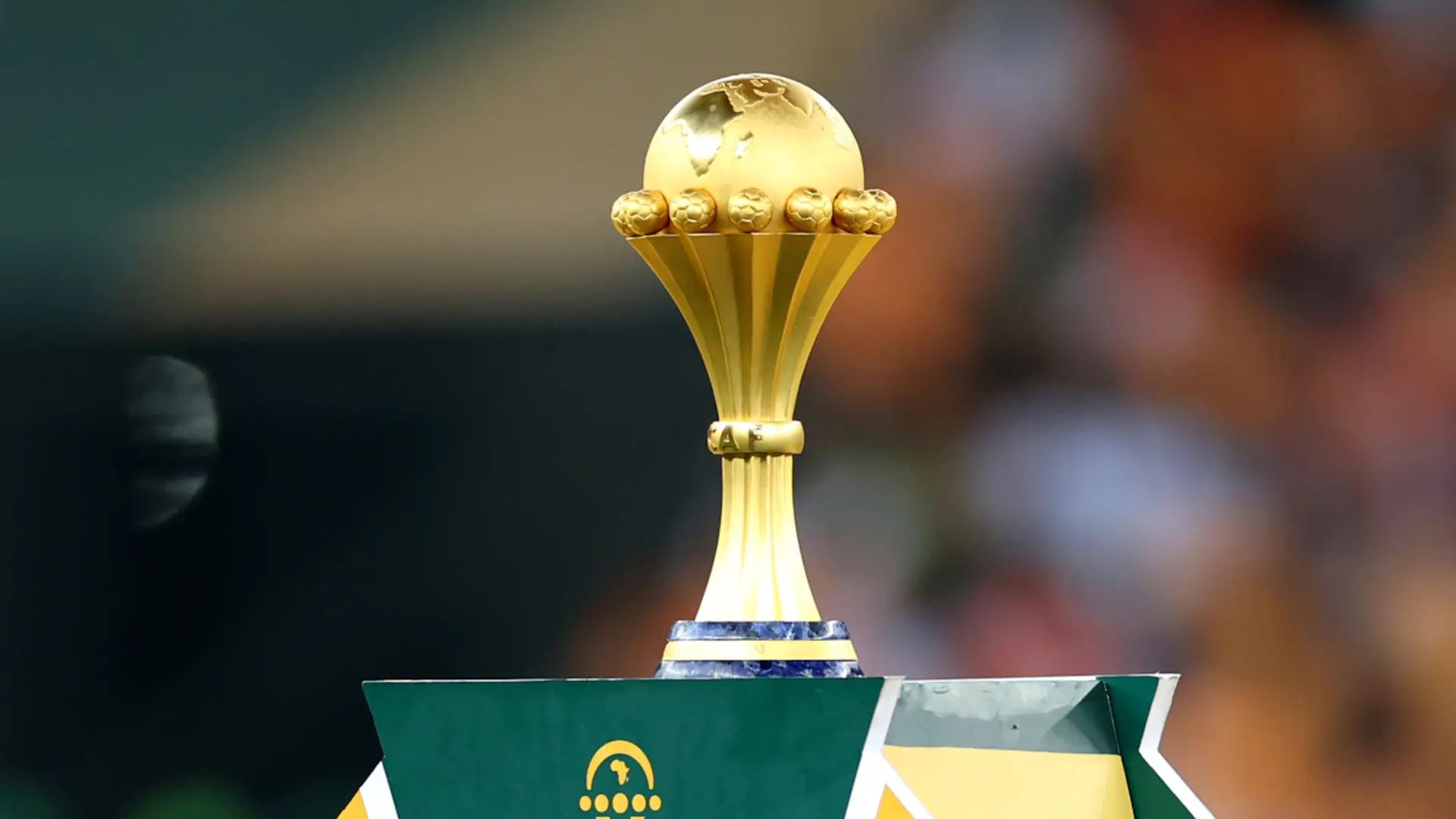
A Tournament That Finally Looked the Part
Let’s start with what must be acknowledged, loudly and without hesitation: this was the best-organised AFCON Africa has ever hosted.
From the moment the tournament kicked off, everything screamed intent. World-class stadiums. Smooth logistics. Broadcast quality that did not feel apologetic. Security that worked, until it didn’t. Pitch conditions that allowed footballers to express themselves instead of barely surviving 90 or 120 minutes. This Africa Cup of Nations (AFCON) looked like something Africa had always promised but rarely delivered consistently.
For once, Africa hosted a tournament that looked and felt naturalon the world’s biggest sporting calendar. From broadcast quality to stadium infrastructure, logistics, hospitality and overall presentation, the recently concluded AFCON raised the bar in ways that even the most optimistic observers never anticipated. The pitches were pristine, the fan zones were vibrant, and the facilities passed every global stress test. This was an AFCON with polish, confidence, and intent.
CAF, often the tournament’s biggest liability, actually looked like a governing body that had done its homework. Credit must be given where it is due.
Morocco, as hosts, presented an image of efficiency and ambition. The infrastructure alone told a story of a country serious about football as both a sport and soft power. In pure organisational terms, AFCON 2025 set a new benchmark. One that future hosts will now be judged against.
But football history is never written by facilities alone.
Yet, by the final whistle of the tournament, what should have been remembered as a celebration of growth became clouded by controversy, bitterness, and a series of incidents that now threaten to undermine the credibility of African football itself.
This AFCON was historic, but not always for the right reasons.
Morocco’s Footballing Ascent
Long before the first whistle of AFCON 2025, Morocco had already positioned itself as Africa’s gold standard.
This is a nation whose football journey over the last decade has been nothing short of deliberate. Semi-finalists at the FIFA World Cup; an African first. Finalists at the Women’s Africa Cup of Nations. Bronze medalists in men’s football at the Olympics. Winners of the U-20 World Cup in 2025. And seated comfortably as Africa’s highest-ranked team in the current FIFA rankings.
This was not a fluke run or a lucky generation. It was the result of planning, investment, diaspora integration, and a ruthless focus on excellence.
AFCON 2025 was meant to be the crowning jewel of that project. A home tournament to complete the narrative. A continental coronation.
Instead, it became something else entirely.
The Semi-Final That Changed the Mood: Nigeria vs Morocco
Morocco’s semi-final clash against Nigeria should have been a showcase with two heavyweights, tactical nuance, elite athleticism, and continental pride. Instead, it descended into something far less flattering.
From the early minutes, referee decisions raised eyebrows. Calls that seemed marginal, consistently went in Morocco’s favour, while Nigerian players and officials grew increasingly frustrated. But officiating, as controversial as it was, soon became only part of the story.
What followed crossed from competitive gamesmanship into outright misconduct. Nigerian goalkeeper Stanley Nwabali repeatedly had his towel, a vital tool for ball grip, stolenby Moroccan fans, ball boys, and even stewards. Video evidence circulated widely, showing a pattern that was too coordinated to be dismissed as coincidence.
Then came the moment that crossed from unsporting behaviour into deeply ugly territory when what looked like a banana was thrown at Nwabali. In 2025. At Africa’s biggest football tournament. In a stadium full of top CAF and FIFA officials.
That single act did more damage to Morocco’s AFCON legacy than any missed chance or poor refereeing decision ever could.
This was no longer about home advantage. It bordered around dignity, safety, and the basic standards African football claims to uphold.
When it Becomes a Pattern
If the Nigerian experience in the semi-final clash against the host nation was to be dismissed as an isolated incident, the final against Senegal destroyed that argument entirely.
Once again, reports emerged of deliberate interference at the post of the Senegalese goalkeeper, Edouard Mendy as they faced the host nation, Morocco in the final match of the competition.
Senegal’s second-choice keeper was caught on camera being physicallyconfrontedby Moroccan ball boys and officials following repeated provocation.
Even Achraf Hakimi, the current African Footballer of The Year, was seen participating in towel interference, a moment that travelled rapidly across social media and sparked global criticism.
Beyond the pitch, Senegal reportedly faced restricted ticket allocations thereby limiting their supporters’ presence in the stadium. Travel logistics and security arrangements were described as substandard, adding another layer to what increasingly looked like institutional hostility rather than competitive rivalry.
This was AFCON’s biggest night, and yet, the focus was shifting away from football entirely.
To the referee’s credit, the final was handled better than the Nigeria semi-final. But “better” does not mean it is good officiating.
Two decisions defined the match.
First, Senegal had a goal ruled out for a foul in the build-up, a call many felt was soft, especially given the stakes and the stage. Finals are supposed to be decided by clear moments, not interpretative technicalities.
Then not long after, in the dying moments of regulation time, Morocco was awarded a penalty for a foul many felt was not worthy of deciding a continental final. The timing alone made it explosive.
The Senegalese players protested. Emotions boiled over. In a scene rarely witnessed at this level, Senegal walked off the pitch and returned to the dressing room.
For twelve minutes, African football held its breath as fans all over the world watched on anxiously.
When the teams returned to the pitch following spirited consultations and intervention by Sadio Mane, Brahim Díaz stepped up and delivered a failed panenka. Football, in moments like that, taught a lesson in irony.
Extra time followed. And then, a Senegalese screamer sealed it. Many saw it as poetic justice as Senegal held on and lifted the trophy.
On paper, AFCON had its champion. In reality, the damage was only beginning.
After the Whistle
What happened after the final whistle may prove more harmful to African football than anything that happened during the tournament.
In the post-match press conference, Moroccan journalists openly booed the Senegalese manager, Pape Thiaw — creating an environment so hostile that he had to walk out.. This was pure professional misconduct from media practitioners who are expected to know better.
Then came the street-level fallout.
Reports and footage of Moroccan fans attacking Senegalese supporters emerged. Senegalese-owned businesses and stores in Morocco are reported to have been vandalised. What should have been pure football rivalry ended up looking disturbingly close to xenophobia.
At that point, AFCON 2025 stopped being about football.
Why This Is Terrible for African Football
African football has always battled perception issues. Accusations of bias. Governance problems. Political interference. AFCON 2025, despite its world-class presentation, risked confirming every negative stereotype the continent has been trying to shed.
First, it undermines competitive integrity. If teams believe that host nations enjoy not just home advantage but institutional support, then AFCON becomes theatre rather than sport.
Secondly, it damages CAF’s credibility. A governing body that cannot protect players from racism, ensure neutral officiating, or control stadium officials loses moral authority.
Thirdly, it harms players’ safety and dignity. When players are racially abused or have games physically interfered with by non-playing personnel, the line has been crossed.
Finally, it threatens Africa’s global football standing. AFCON has been fighting for respect against the backdrop of European dominance. Tournaments like this are meant to elevate its prestige, not drag it backwards.
Morocco’s Paradox: Excellence Without Sportsmanship
The tragedy of AFCON 2025 is that Morocco did not need any of this.
They are good enough. Their footballing progress is real. Their infrastructure is elite. Their national teams across genders and age grades have delivered consistently.
But greatness is not just about winning but how you compete.
By allowing, tolerating, or failing to control the excesses witnessed during this tournament, Morocco’s AFCON legacy became conflicted.
What Must Be Done Going Forward
If African football is serious about progress, AFCON 2025 must be treated as a lesson, not a footnote.
CAF must introduce clear accountability mechanisms for host nations. Stadium officials and stewards must answer to CAF, not local organisers alone.
Refereeing standards must improve, not just technically, but structurally. Transparency in referee appointments, VAR usage, and disciplinary reviews is non-negotiable.
Racism must carry automatic, severe consequences. No ambiguity. No damage control statements. Zero tolerance must mean exactly that.
Fan violence and post-match unrest must trigger sanctions, not just apologies. Football cannot be allowed to spill into ethnic or national hatred.
Finally, African football culture must evolve. Passion is not the problem. Entitlement is.
AFCON 2025 showed Africa what it can achieve when organisation, infrastructure, and ambition align. It also showed how quickly all of that can be overshadowed when fairness, respect, and restraint are abandoned.
Senegal will remember this tournament as champions. Morocco will remember it as a missed opportunity for untainted glory. Africa will remember it as a crossroads moment.
The next AFCON will determine whether this was a painful growing phase or a warning ignored.
African football deserves better than drama. It deserves justice.
Your opinion matters, please leave a comment