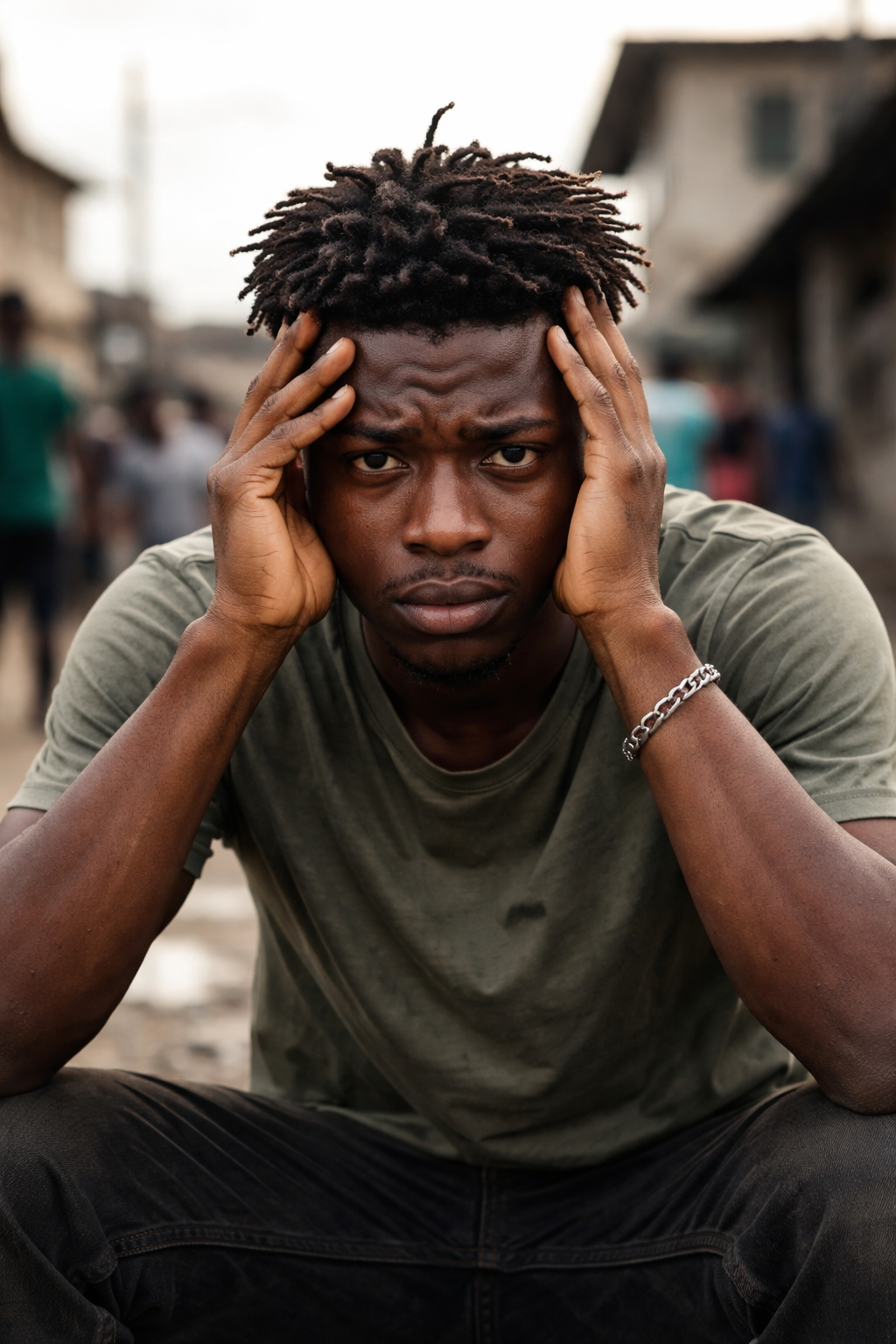
To be young in Nigeria today is to live inside a contradiction. You are told, constantly, that you are the future, the demographic advantage, the creative engine of Africa’s largest economy. At the same time, you are expected to survive an economy that seems almost structurally indifferent to your survival.
Being a youth in Nigeria has become an extended negotiation between ambition and endurance, between hope and hard arithmetic.
For many young Nigerians, adulthood creeps in slowly, weighed down by debt, uncertainty, and postponed milestones. The cost of being young is no longer measured only in Naira, but in delayed dreams, strained mental health, and the quiet recalibration of timelines for expected success.
This is not a story of laziness or lack of effort. It is a story of systems, pressures, and a generation trying to build full lives in an economy that keeps shifting the goalpost.
The Dream Economy
Nigerian youth culture is saturated with aspiration. Social media timelines are filled with founders announcing funding rounds, creatives breaking into global markets, and influencers turning virality into income. Afrobeats has taught a generation that global success can come early and fast. Tech narratives promise disruption, scale, and exit. Even traditional careers are sold with glossy images of quick upward mobility.
But beneath this optimism lies a harsh imbalance. Aspirations are expanding faster than opportunities. Nigeria produces hundreds of thousands of graduates annually, but the economy struggles to generate enough stable, well-paying jobs to absorb them. The result is a dream economy where ambition thrives, but execution becomes a high-risk gamble.
Young people are encouraged to think big in an environment where failure is expensive and second chances are limited. When dreams do not materialize quickly, the disappointment cuts deeper because expectations were set so high. The pressure to succeed early becomes a silent tax on mental health, especially in a culture where comparison is constant and public.
Nigeria’s macroeconomic realities shape the daily experiences of its youth in profound ways. Inflation steadily erodes purchasing power, while wages remain stagnant or irregular. Rent consumes a disproportionate share of income, especially in urban centers where economic opportunity is concentrated. Transportation costs rise as infrastructure struggles to keep pace with population growth. Food prices fluctuate unpredictably, turning basic nutrition into a budgeting challenge.
For young Nigerians, financial planning often begins with crisis management. Savings are difficult to build when income is unstable and expenses are relentless. Formal employment, when available, may not provide benefits like health insurance or pension contributions, leaving young workers exposed to shocks.
The informal sector, which absorbs a large portion of the youth workforce, offers flexibility but little security. Earnings are unpredictable, legal protections are minimal, and long-term planning becomes almost theoretical. In this environment, adulthood feels less like a destination and more like a moving target.
Debt as a Rite of Passage
Debt has quietly become a defining feature of youth in Nigeria. It is not always the result of luxury or excess. More often, it is a response to necessity. Loan apps, informal borrowing circles, advances, and short-term credit arrangements fill the gaps left by insufficient income.
For many, debt is used to fund everyday survival, business experiments, or transitions between jobs. The problem is not borrowing itself, but the terms under which borrowing occurs. High interest rates, aggressive repayment structures, and social obligations attached to loans create cycles that are difficult to escape.
What begins as a temporary solution can quickly become a long-term burden. Monthly repayments limit the ability to save or invest, pushing major life decisions further into the future. Debt delays adulthood; not because young people are irresponsible, but because the economy leaves them with few alternatives.
Delayed Adulthood and Shifting Timelines
As a young Nigerian, financial independence, marriage, home ownership, and career stability, which are the traditional markers of adulthood, are increasingly postponed. This delay is a collective adjustment to economic reality.
Many young adults remain in their parents’ homes well into their late twenties and thirties, not out of convenience, but necessity. Housing costs make independent living unattainable for large segments of the population. Marriage, once seen as an early milestone, is often postponed due to financial pressure and rising expectations around ceremonies, housing, and lifestyle.
Career paths are less linear than they once were. It is common to see educated young people pivot multiple times, combining freelance work, side businesses, and contract roles. Stability, when it comes, often arrives later than expected, if at all.
This delay carries emotional consequences. Family expectations do not always adjust at the same pace as economic conditions. Social pressure persists, even as the rules of the game change. The result is a quiet tension between personal reality and societal norms.
The Psychological Toll of Prolonged Uncertainty
The mental and emotional cost of being young in Nigeria is rarely discussed with the seriousness it deserves. Anxiety is normalized. Burnout is worn like a badge of honor. Rest is treated as a luxury rather than a necessity.
Constant hustle culture, reinforced by social media, creates the illusion that everyone else is progressing faster. Success stories are amplified, while struggle remains largely private. This imbalance distorts perception and deepens feelings of inadequacy.
Many young Nigerians carry the weight of supporting extended family members, contributing to household expenses, or acting as future safety nets for parents.
These responsibilities, combined with economic instability, create a persistent undercurrent of stress. Mental health support remains limited, stigmatized, or financially inaccessible, leaving many to cope in silence.
To their credit, Nigerian youths are extraordinarily adaptive. Faced with limited opportunities, they create new ones. Digital skills, remote work, creative industries, and informal entrepreneurship have become pathways to income and expression. Online education platforms fill gaps left by formal institutions. Communities form around shared interests, industries, and survival strategies.
But hustle, no matter how creative, is not a substitute for structure. Individual resilience cannot replace systemic reform. When success depends almost entirely on personal grit, inequality widens, and burnout becomes inevitable.
The danger lies in romanticising struggle while ignoring its cost. Hustle culture may inspire, but it should not excuse an economy that makes stability exceptional rather than normal.
If Nigeria is serious about harnessing its demographic advantage, it must rethink how it supports young people. Education must be better aligned with labor market realities. Small and medium-sized enterprises need access to affordable financing and regulatory clarity. Housing policies must address affordability, not just luxury development.
Equally important is the need to normalise conversations around mental health, delayed timelines, and alternative definitions of success. Adulthood does not have to follow a single script, especially in a rapidly changing economic landscape.
Counting the Real Cost
The real cost of being young in Nigeria is not just measured in missed opportunities or delayed milestones. It is measured in the emotional labour of constant adjustment, the financial strain of survival-driven decisions, and the quiet resilience required to keep dreaming in difficult conditions.
This generation is not failing. It is navigating a complex economic reality with creativity, courage, and determination. But resilience should not be the only plan. Dreams deserve infrastructure. Effort deserves reward. And youths deserve more than survival.
Until then, being young in Nigeria will remain a high-cost investment with uncertain returns, sustained by hope, hustle, and the belief that a better structure is still possible.
Your opinion matters, please leave a comment